
When we put a can, bottle, cardboard box or food scraps into the recycling bin, it's easy to think of recycling as simply a way to reduce waste. Which is great in itself but recycling does much more than keep materials out of the waste steam; it also saves energy, reduces carbon emissions, lowers household costs as we recognise and reduce our waste, and helps conserve valuable natural resources too.
It also helps to create a more circular economy, reduce carbon emissions, and by giving materials a second life we can reduce the need to extract and process raw materials, which is often one of the most energy-intensive parts of manufacturing.
Check out some of the items listed below to see some of our top value recycling items:
Aluminium: the recycling champion
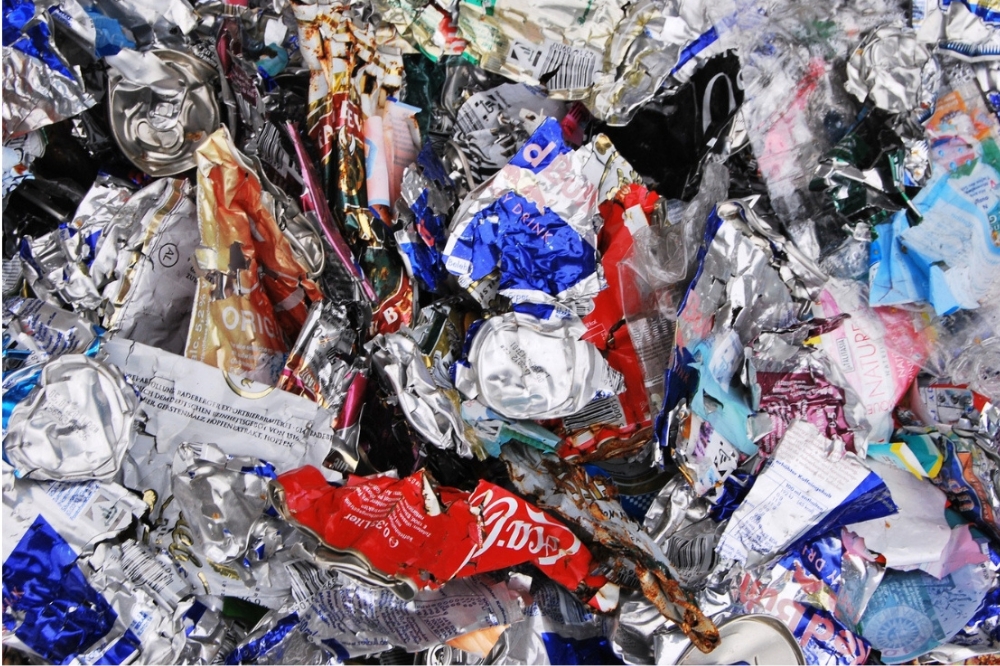
Aluminium is one of the best examples of the benefits of recycling. Producing aluminium from recycled material uses just 5-10% of the energy needed to create new aluminium from bauxite ore. In other words, recycling aluminium can save up to 95% of the energy required for new production.
This means that every drinks can recycled helps manufacturers reduce energy consumption, cut carbon emissions and lower production costs. Because aluminium can be recycled repeatedly without losing quality, it remains one of the most valuable materials in the recycling stream.
Paper and cardboard: saving trees, water and energy
Paper and cardboard are among the most widely recycled materials in UK households. Creating new paper from recycled fibres typically requires significantly less energy and water than producing paper from virgin wood pulp.
Recycling paper also reduces the demand for raw materials and helps keep valuable resources in circulation for longer. Whether it's newspapers, cereal boxes or delivery packaging, recycling these items helps reduce both environmental and financial costs throughout the supply chain.
Plastic: giving materials a second life
Plastic recycling helps reduce reliance on fossil fuel-based raw materials and can use considerably less energy than producing new plastic from scratch.
Plastic bottles, food containers and other household plastics that are recycled can be transformed into new packaging, clothing fibres, construction materials and many other products. This reduces demand for raw materials and supports a more resource-efficient economy.
Glass: endless recycling potential
Glass bottles and jars can be recycled again and again without any loss of quality. Using recycled glass in manufacturing requires less energy because it melts at a lower temperature than the raw materials used to make new glass.
This means lower energy bills for manufacturers and reduced consumption of natural resources such as sand, soda ash and limestone.
Food waste: turning leftovers into renewable energy
Food waste recycling, which was introduced across the Horsham District in early 2026, is another excellent example of how waste can become a valuable resource. Instead of being sent to landfill, collected food waste in the District will be processed through anaerobic digestion, a natural process that breaks down organic material without oxygen.
This process produces biogas, a renewable energy source that can be used to generate electricity, heat homes and businesses, or even fuel vehicles. It also creates a nutrient-rich digestate, which can be used as a natural fertiliser by farmers, helping to reduce the need for manufactured fertilisers.
By recycling food waste, we can generate renewable energy, return nutrients to the soil and reduce the greenhouse gas emissions that occur when food decomposes in landfill.
Steel: reducing energy demand
Common household items such as food tins and aerosol cans are made of steel which is another material that delivers substantial energy savings when recycled.
Recycling steel reduces the need to mine and process iron ore, while also lowering the amount of energy required during manufacturing.
The UK's recycling sector has identified increased steel recycling as a key opportunity to reduce domestic energy demand and support net-zero ambitions.
And finally, don't forget the humble battery!
Across the UK, 3,000 batteries are binned every minute. From electric toothbrushes to mobile phones, batteries are hidden inside so many electrical devices. It’s easy to think something so small won’t matter. But many of us may not realise the big impact that throwing away batteries can have.
Batteries and small electricals are full of some of the most valuable materials on the planet, that can be infinitely recycled. But if they are binned, these materials are lost forever. And please remove batteries from any toys and appliances before recycling them. You can recycle your batteries on your bin collection day with our simple collection service: Simply place your batteries in a small, clear plastic bag (such as a sandwich bag) and place the bag on top of your green-top refuse bin or your blue-top recycling bin on collection day.
Small actions, big impact
Recycling is one of the simplest actions we can all take to support a greener future. Every item recycled contributes to this work. While a single can, bottle or banana peel may seem insignificant, the collective impact of thousands of households recycling regularly can result in substantial reductions in energy use, carbon emissions and manufacturing costs.
And the energy savings from recycling can be significant:
- Aluminium cans: up to 95% less energy than making new aluminium.
- Steel packaging: around 60-75% less energy than producing steel from raw materials.
- Paper and cardboard: around 40% less energy than manufacturing from virgin fibres.
- Plastic bottles: up to two-thirds less energy than producing new plastic.
- Glass bottles and jars: around 20-30% less energy than making new glass.
- Food waste: can be transformed into renewable biogas and agricultural fertiliser through anaerobic digestion.
The UK has set ambitious goals to recycle more waste, reduce landfill and create a more circular economy. Achieving these targets depends on the participation of households, businesses and communities across the country.
Find out more
1. Find out more about recycling and the circular economy by visit WRAP.
This NGO and registered charity works alongside businesses, governments, and people to promote and increase recycling and power Circular Living, helping our transition to smarter, sustainable practices for future generations.
2. Find out what and where you can recycle in the Horsham District