
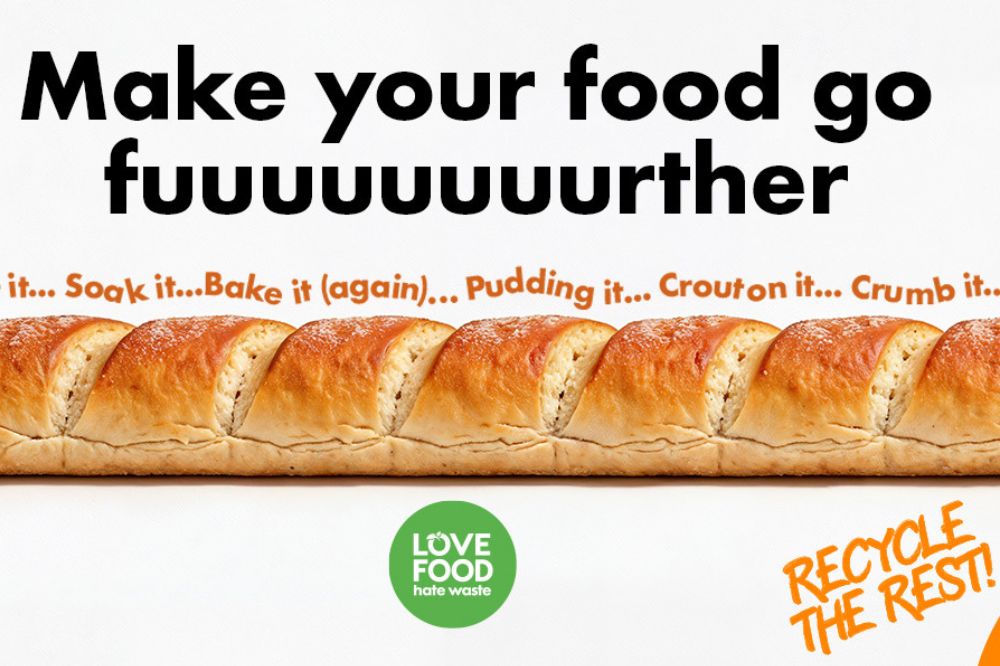
Food waste Action Week, 9 - 15 March 2026
Buy smart. Use it up. Recycle the rest
Every March, the world turns its attention to one of the most important, but often overlooked, climate issues of our time: food waste. Food Waste Action Week, convened by Love Food Hate Waste, brings together businesses, governments, communities and individuals to make a real difference. Every time we throw food away, we’re also throwing away the energy, water, and resources used to produce it, not to mention our own money.
Whilst many of us think that we don’t produce much food waste, evidence shows that over 40% of the average District householder’s waste bin by weight is food waste! This includes things like unused potatoes, meal left overs, stale bread and out of date salad.
Why does food waste matter?
The numbers might surprise you. In the UK, 60% of all food waste happens in our homes. Each year, households throw away 4.4 million tonnes of perfectly edible food, worth £17.5 billion, generating 16 million tonnes of greenhouse gas emissions in the process. For a family of four, that adds up to roughly £1,000 wasted every single year. Reducing food waste is one of the simplest, fastest actions any of us can take - saving money, cutting emissions, and making life a little less stressful along the way.
Visit the LoveFoodHateWaste website for some great tips and advice to help you get the greatest value from your food, making sure it’s eaten and saved from the bin.
The Council's Sustainable Food webpage also offers a local perspective on ways to help you to eat well, reduce your carbon footprint, and maybe save yourself some money too! Tips include:
- Sustainable food choices, such as eating more locally produced seasonal food to ensure less imported food and less air miles, and eating less meat, fish and diary which could reduce your carbon footprint from food by two-thirds.
- Reducing food waste, which reduces methane emissions, reduces food bills and could support your community too.
- Grow your own fruit and vegetables
- Composting tips and suggestions
By preventing food waste, using up leftovers, and recycling anything that can’t be eaten, we can unlock more value from the food we already have by helping it to stretch further. That’s good for your pocket and good for the planet.
Get involved and share your story
WRAP would love to hear how you're reducing food waste this week. Post your tips, leftover lunch photos and meal planning wins on social media and use #FoodWasteActionWeek, tagging @HorshamDC, and we will share them too.